
Target potential customers while they visit competitor locations with advanced geofencing advertising to deliver highly relevant mobile ads, increase brand awareness, drive qualified traffic, and influence buying decisions before they choose a competitor.
Boost conversions with precise location-based targeting, real-time audience engagement, and measurable campaign performance.









Trusted by local and multi-location businesses that want measurable growth.
Explore how competitor geofencing identifies valuable audiences, serves relevant ads, and helps your business attract more leads, foot traffic, and long-term customers.
Competitor geofencing, also known as geo-conquesting, uses virtual boundaries around competitor locations to reach high-intent audiences with privacy-safe mobile advertising.
Engage people actively visiting rival businesses, deliver OTT video ads during and after their visit, increase qualified leads, strengthen brand visibility, and drive more conversions with precise location-based targeting.

Reach customers at competitor locations
Deliver highly targeted mobile ads
Build privacy-safe retargeting audiences
Increase qualified leads and conversions
Measure campaign performance with real-time insights
Compare competitor geofencing, geo-conquesting, and geotargeting to understand which location-based advertising strategy best reaches high-intent customers and drives better campaign results.
Targets specific competitor buildings or property boundaries.
Reaching customers who physically visit rival locations.
The competitive strategy that uses geofencing or past-visit location audiences.
Winning consideration or market share from competing brands.
Targets broad areas such as cities, ZIP codes, counties, DMAs, or radius zones.
Building general local awareness when building-level precision is not required.
Targets competitor brand terms in search advertising.
Reaching users actively searching for a competitor online.
| Tactic | How It Targets | Best Use |
|---|---|---|
| Competitor Geofencing | Targets specific competitor buildings or property boundaries. | Reaching customers who physically visit rival locations. |
| Geo-Conquesting | The competitive strategy that uses geofencing or past-visit location audiences. | Winning consideration or market share from competing brands. |
| Geotargeting | Targets broad areas such as cities, ZIP codes, counties, DMAs, or radius zones. | Building general local awareness when building-level precision is not required. |
| Search Conquesting | Targets competitor brand terms in search advertising. | Reaching users actively searching for a competitor online. |
Reach high-intent customers at competitor locations with targeted location-based ads that increase brand visibility, leads, and conversions.
Attract competitor customers with compelling offers, targeted messaging, and location-based ads that encourage them to choose your business instead.
Get a same-day estimate and a written price guarantee.
Get $1,500 more for your trade this week.
Show this ad for a complimentary appetizer with your first visit.
Tour today and receive waived application fees on select units.
Try 14 days free with no long-term contract.
| Weak Message | Stronger Conquesting Message |
|---|---|
| We offer great service. | Get a same-day estimate and a written price guarantee. |
| Visit our dealership. | Get $1,500 more for your trade this week. |
| Try our restaurant. | Show this ad for a complimentary appetizer with your first visit. |
| We have apartments available. | Tour today and receive waived application fees on select units. |
| Join our gym. | Try 14 days free with no long-term contract. |
Competitor geofencing reaches more relevant audiences by targeting real-world visits to competitor locations instead of broad geographic or demographic targeting.
Success with competitor geofencing depends on precise targeting, a compelling offer, and a high-converting landing page that motivates customers to switch.
Businesses targeting local customers use Competitor Geofencing to reach nearby audiences and boost conversions.
Attract nearby buyers and generate quality property leads.

Measure restaurant campaign performance through visits, conversions.
Conquest nearby dealerships and service centers with trade-in and financing messages.

The events organizations plan and manage all types of events.

Reach high-value prospects visiting other firms and offices.


See how a competitor geofencing campaign targets rival locations, engages high-intent audiences, and drives measurable leads, visits, and conversions.
Target eligible visitors recently observed at selected competitor dealerships, creating high-intent audiences for your campaign.
Highlight competitive trade-in offers, available inventory, and exclusive promotions to encourage shoppers to consider your dealership.
Promote flexible financing options and easy test-drive scheduling to increase qualified leads and dealership appointment bookings.
Showcase vehicle inventory, trade-in tools, click-to-call features, and a simple appointment form to improve conversions.
Re-engage previous dealership visitors with personalized ads throughout the campaign to strengthen brand recall.
Monitor impressions, clicks, calls, lead forms, showroom visits, and campaign performance to optimize advertising results.
Our team helps your business reach relevant audiences, increase local visibility, and measure campaign results.
Identify the businesses, buildings, shopping centers, campuses, or other locations that attract the customers you want. The best target list is based on customer intent and competitive relevance.
Create custom polygon boundaries around the actual buildings or property areas. Precise boundaries help reduce wasted impressions from nearby roads, residences, parking areas, and unrelated businesses.
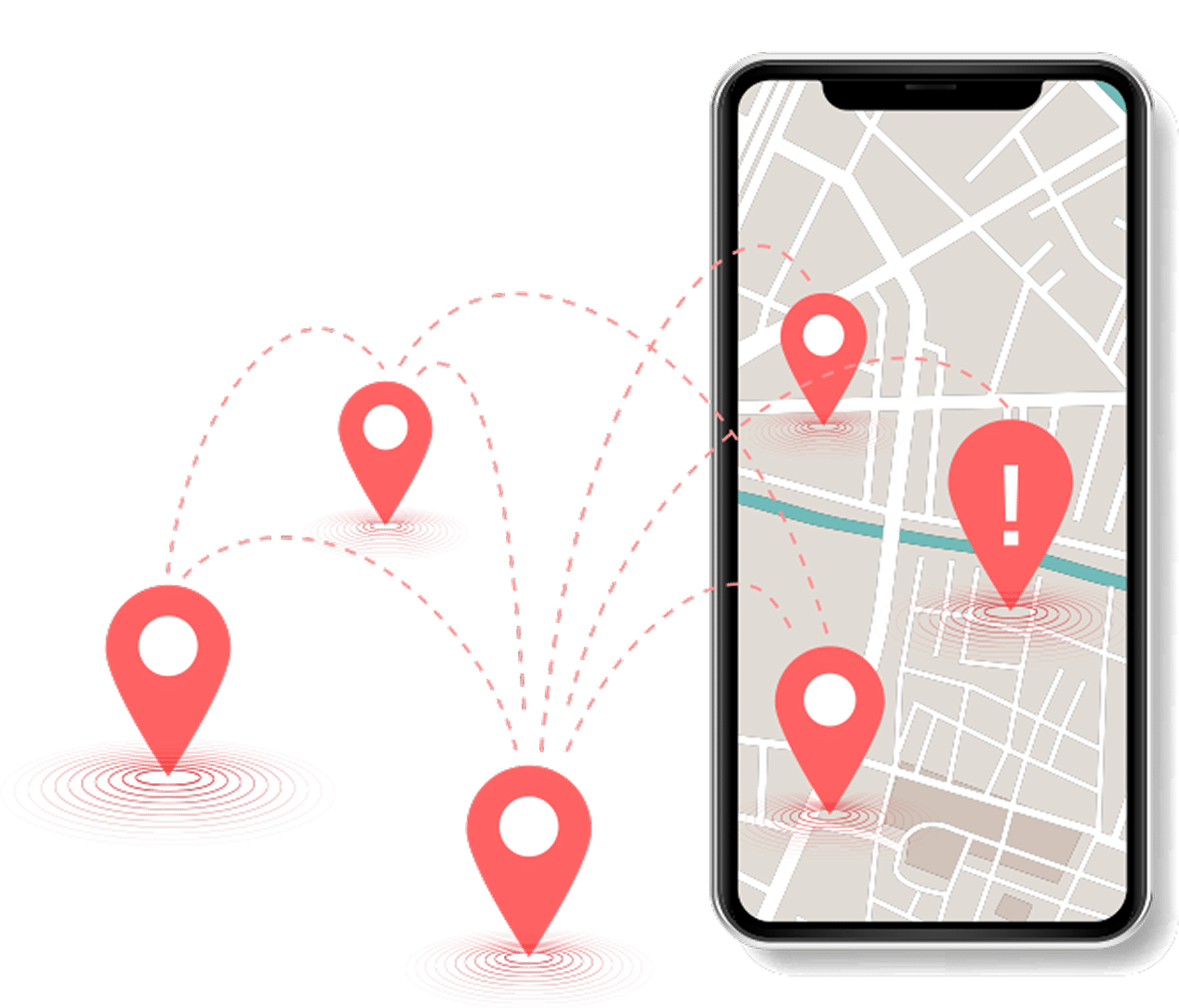
Eligible mobile devices observed inside the selected fences can be grouped into an anonymous advertising audience. The campaign does not provide names, personal phone numbers, home addresses, or a downloadable list of individual visitors.
Serve display or video ads when eligible audience members use participating apps and websites. Depending on campaign settings and platform rules, eligible visitors can continue receiving ads after leaving the competitor location.
Track impressions, clicks, website actions, calls, location-level performance, and eligible conversion-zone visits. Use the results to shift budget toward the competitor locations, offers, ads, and markets that produce the strongest results.
Provide your campaign details to plan a competitor-geofencing campaign. For household-level targeting, explore addressable geofencing.
Track competitor geofencing success with real-time reporting on impressions, clicks, conversions, foot traffic, and overall campaign performance.
How many times the ads were served.
How many users clicked and the percentage of impressions that produced a click.
Forms, calls, purchases, appointments, or other tracked actions on the landing page.
Eligible exposed devices that later entered your designated business location.
A practical measure of campaign efficiency.
Which competitor locations produced the strongest audience, engagement, or downstream action.
| Metric | What It Shows |
|---|---|
| Impressions | How many times the ads were served. |
| Clicks and Click-Through Rate | How many users clicked and the percentage of impressions that produced a click. |
| Website Conversions | Forms, calls, purchases, appointments, or other tracked actions on the landing page. |
| Conversion-Zone Visits | Eligible exposed devices that later entered your designated business location. |
| Cost per Lead or Visit | A practical measure of campaign efficiency. |
| Location-Level Performance | Which competitor locations produced the strongest audience, engagement, or downstream action. |
Discover our full range of geofencing and digital advertising services designed to help you reach targeted audiences, increase engagement, and drive measurable marketing results.
Addressable geofencing targets specific households using precise location data.
Event marketing promotes brands by targeting audiences before during and after events.
Political geofencing targets voters with ads based on specific locations and events.
Digital TV advertising delivers targeted video ads on connected streaming platforms
GetGeofencing targeted display campaigns start at $850 for 100,000 impressions. Mobile and desktop video campaigns start at $1,800 for 100,000 impressions, and streaming video options are priced separately.
Choose a budget based on competitor locations, audience size, campaign duration, and ad format. Focus spending on high-value locations to maximize reach, improve performance, and generate stronger conversion results.

Partner with GetGeofencing for expert competitor geofencing campaigns that deliver precise targeting, measurable results, and dedicated support every step of the way.
Competitor geofencing is a location-based advertising strategy that creates precise digital boundaries around selected competitor locations. Eligible devices observed inside those boundaries can be added to an advertising audience and served display or video ads during the campaign and for a defined retargeting period afterward.
Geo-conquesting is another name for using location-based advertising to reach people who visit competing businesses. The goal is not to identify individual visitors. The goal is to build a privacy-safe audience based on real-world location behavior and give those prospects a reason to consider your business.
A campaign starts with a list of competitor locations. Precise polygon fences are drawn around the relevant buildings or property areas, eligible devices are collected into an anonymous audience, ads are delivered across programmatic websites and apps, and results are measured through clicks, website actions, calls, or conversion-zone visits.
Competitor geofencing can be lawful when it follows applicable privacy laws, advertising regulations, platform policies, and restrictions involving sensitive locations or protected audience categories. Campaigns should use privacy-safe advertising identifiers and should not provide names, phone numbers, home addresses, or raw device-level visitor lists.
No proprietary app is required for a standard programmatic competitor geofencing campaign. Ads can be delivered through eligible mobile apps and websites that participate in programmatic advertising. Device settings, location permissions, available inventory, and platform rules affect whether a particular device can be reached.
It may, but delivery should not be described as an instant push notification. Eligible devices can receive ads during the campaign when they use participating apps or websites, and the audience can also be retargeted after the visit for a defined period. Delivery timing depends on inventory, device activity, and campaign settings.
Accuracy depends on the location data, fence design, building layout, device signal, and platform. Precise polygon geofences generally reduce waste compared with broad radius targeting because the boundary can follow the actual building or property instead of including unrelated roads, homes, and neighboring businesses.
No. A properly managed campaign reports aggregated advertising results rather than revealing the identity of individual visitors. You can review impressions, clicks, website conversions, location-level performance, and eligible conversion-zone visits, but you should not receive names, personal phone numbers, home addresses, or raw mobile device IDs.
The retargeting window depends on the platform, campaign design, and applicable rules. Many campaigns use a defined window of up to about 30 days after a qualifying location visit. Shorter windows may be better for urgent or time-sensitive offers, while longer windows can support considered purchases.
Competitor geofencing can use programmatic display ads, mobile video, native placements, website retargeting, and in some cases connected TV or OTT. The strongest campaigns use a simple offer, clear differentiation, a direct call to action, and a landing page that continues the same message.
The best offer gives the prospect a concrete reason to switch. Examples include a price comparison, free estimate, trade-in bonus, first-visit discount, faster service, stronger guarantee, complimentary consultation, or limited-time upgrade. “We are better” is weak. A specific, credible advantage is much stronger.
GetGeofencing targeted display campaigns cost start at $850 for 100,000 impressions. Video campaigns and streaming options are priced separately. The right budget depends on the number of competitor locations, audience size, campaign length, ad format, market, and frequency needed to create enough repeated exposure.
Yes, when your business location is set up as a conversion zone. The platform can estimate how many devices exposed to the campaign later entered the designated location. This is useful for foot-traffic attribution, but it should be evaluated alongside leads, calls, sales data, and other business outcomes.
It works best when competitor visits strongly suggest purchase intent and when your business has a compelling reason for customers to switch. Common uses include automotive dealerships, restaurants, retail stores, gyms, student housing, home services, professional services, and multi-location businesses.
Provide the competitor business names or addresses, your target market, campaign dates, budget, landing page, offer, brand assets, and the locations where conversions should be measured. GetGeofencing can review the list, recommend the strongest targets, draw the geofences, create the ads, and prepare the reporting dashboard.
Tell us which competitors you want to target, where your customers should convert, and what makes your offer worth switching for. We will review the locations, recommend a campaign structure, and create a practical plan before you spend a dollar.