
Geofencing is a location-based technology that creates a virtual boundary around real-world locations for targeted digital interactions.
When eligible devices enter, exit, or remain within the defined area, it can trigger notifications, automate workflows, record visits, or support privacy-compliant advertising.
Businesses use geofencing to improve marketing, operations, customer engagement, and location-based insights with measurable campaign performance.









Trusted by local and multi-location businesses that want measurable growth.
Discover how geofencing technology creates virtual boundaries, triggers location-based actions, and helps businesses improve customer engagement, optimize operations, automate workflows, and deliver measurable.
A virtual boundary around a physical place
The technology and process used to create and monitor that boundary
An event such as entering, exiting or remaining inside the boundary
An alert, notification, recorded event, automation or advertising action
Information used by a system to estimate where a device or asset is located
| Term | Plain-English Meaning |
|---|---|
| Geofence | A virtual boundary around a physical place. |
| Geofencing | The technology and process used to create and monitor that boundary. |
| Trigger | An event such as entering, exiting, or remaining inside the boundary. |
| Action | An alert, notification, recorded event, automation, or advertising action. |
| Location Signal | Information used by a system to estimate where a device or asset is located. |
A geofence is a virtual perimeter created around a specific physical location using GPS, Wi-Fi, RFID, CTV or cellular data.
When eligible devices enter, exit, or remain within the defined boundary, predefined actions can occur.
Businesses use geofences to automate processes, deliver targeted messaging, monitor activity, and improve location-based marketing performance.

One building
Retail center
A Stadium
Construction site
Residential property
School campus
An Entire delivery area
Discover the location technologies behind geofencing, including GPS, Wi-Fi, cellular networks, Bluetooth, and RFID, and learn how they enable accurate, reliable, and privacy-compliant location-based services.
Satellite signals accurately determine the outdoor location of smartphones, vehicles, and connected devices. This technology supports navigation, fleet management, asset tracking, and location-based geofencing applications.
Nearby wireless networks help estimate a device’s location, improving positioning accuracy indoors or where GPS signals are limited. It is widely used in retail stores, offices, airports, and commercial buildings.
Mobile network towers provide approximate device positioning across large geographic areas. This method supports geofencing, logistics, navigation, delivery tracking, and location-based services when GPS accuracy is unavailable.
Short-range wireless technologies deliver precise indoor location detection for assets and devices. They enable inventory management, proximity marketing, access control, customer engagement, and operational tracking within defined spaces.
Permission-based location data helps build privacy-compliant advertising audiences, measure store visits, and improve campaign performance. Data collection and usage must follow applicable privacy laws, user consent requirements.
In some business and advertising applications, IP address data and network signals can provide approximate location information. While less precise than GPS, they help support regional targeting, audience analysis
Instead of targeting everyone within a broad city or ZIP code, an advertiser can focus on people associated with selected locations such as competitor stores, business headquarters, events, retail centers or campuses.
Understand the differences between geofencing, geotargeting, GPS tracking, and retargeting to choose the right location-based strategy for your business goals.
Creates a virtual boundary around a specific real-world location and responds to location events
Triggering an alert when a vehicle reaches a job site
Targets people within a broader geographic area
Advertising to people within a city, ZIP code or county
Continuously or periodically monitors the location of a known device, vehicle or asset
Tracking a delivery truck on a route
Reaches people who previously visited a website, landing page or application
Showing an ad after someone leaves a pricing page
Builds targeting around selected physical addresses or households
Reaching an approved list of residential properties
| Technology | What It Does | Example |
|---|---|---|
| Geofencing | Creates a virtual boundary around a specific real-world location and responds to location events. | Triggering an alert when a vehicle reaches a job site. |
| Geotargeting | Targets people within a broader geographic area. | Advertising to people within a city, ZIP code, or county. |
| GPS Tracking | Continuously or periodically monitors the location of a known device, vehicle, or asset. | Tracking a delivery truck on a route. |
| Retargeting | Reaches people who previously visited a website, landing page, or application. | Showing an ad after someone leaves a pricing page. |
| Addressable Geofencing | Builds targeting around selected physical addresses or households. | Reaching an approved list of residential properties. |
Geofencing accuracy depends on location signals, device settings, user permissions, and environmental conditions.
Businesses targeting local customers use What is Geofencing to reach nearby audiences and boost conversions.
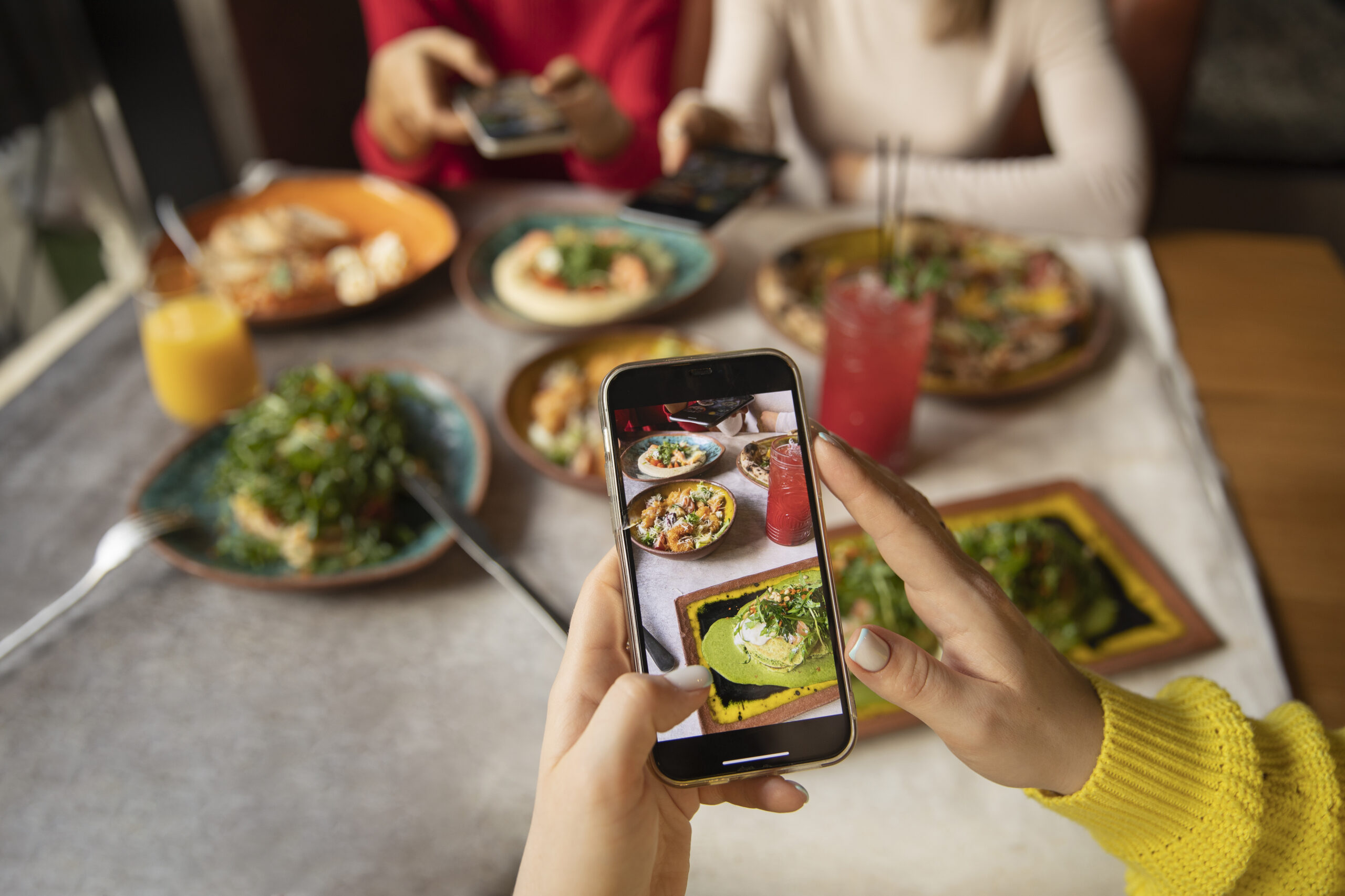
Measure restaurant campaign performance through visits, conversions.
Reach Attract nearby buyers and generate quality property leads.

Conquest nearby dealerships and service centers with trade-in and financing messages.

The events organizations plan and manage all types of events.

Reach high-value prospects visiting other firms and offices.


Geofencing advertising does not collect personal data, monitor private activities, or guarantee campaign results.
Explore how geofencing is used across industries, from retail and healthcare to logistics, events, smart homes, and workplace automation, to improve engagement, efficiency, and location-based decision-making.
Reach nearby customers with targeted advertising based on visits to business or approved competitor locations.
Engage eligible event attendees with location-based advertising during and after conferences, exhibitions, or trade shows.
Track vehicle arrivals, departures, and routes while improving delivery efficiency and operational visibility.
Automate employee workflows, timekeeping, and notifications based on approved workplace or job-site locations.
Control lighting, security, and connected devices automatically when authorized residents arrive or leave home.
Protect people and assets by monitoring restricted areas and triggering alerts for unauthorized movement.
Target selected households with addressable geofencing to deliver highly relevant local advertising campaigns.
Support patient engagement, appointment reminders, and location-based communication while maintaining privacy.
Improve customer engagement with timely, location-based interactions, personalized experiences, and more relevant marketing campaigns.
Create accurate virtual boundaries around buildings, properties, venues, or defined areas for precise location-based actions.
Trigger actions automatically when eligible devices enter, exit, or remain within a defined geofence location.
Automate notifications, alerts, reporting, and operational tasks using predefined geofence rules and location events.
Support marketing, logistics, workforce management, smart devices, safety, and customer engagement with one technology.
Measure visits, dwell time, impressions, clicks, conversions, and other location-based performance metrics.
Manage geofences across multiple stores, offices, job sites, or service areas from one centralized platform.
Drive business growth with professional geofencing solutions that improve targeting, engagement, and measurable results.
The user or platform first identifies the real-world location that matters. This could be a retail store, event venue, property, warehouse, office, neighborhood or customer destination.
A digital boundary is created using a radius, custom polygon, address, or geographic area. Custom polygon geofences provide greater accuracy by matching the exact shape of the selected location.
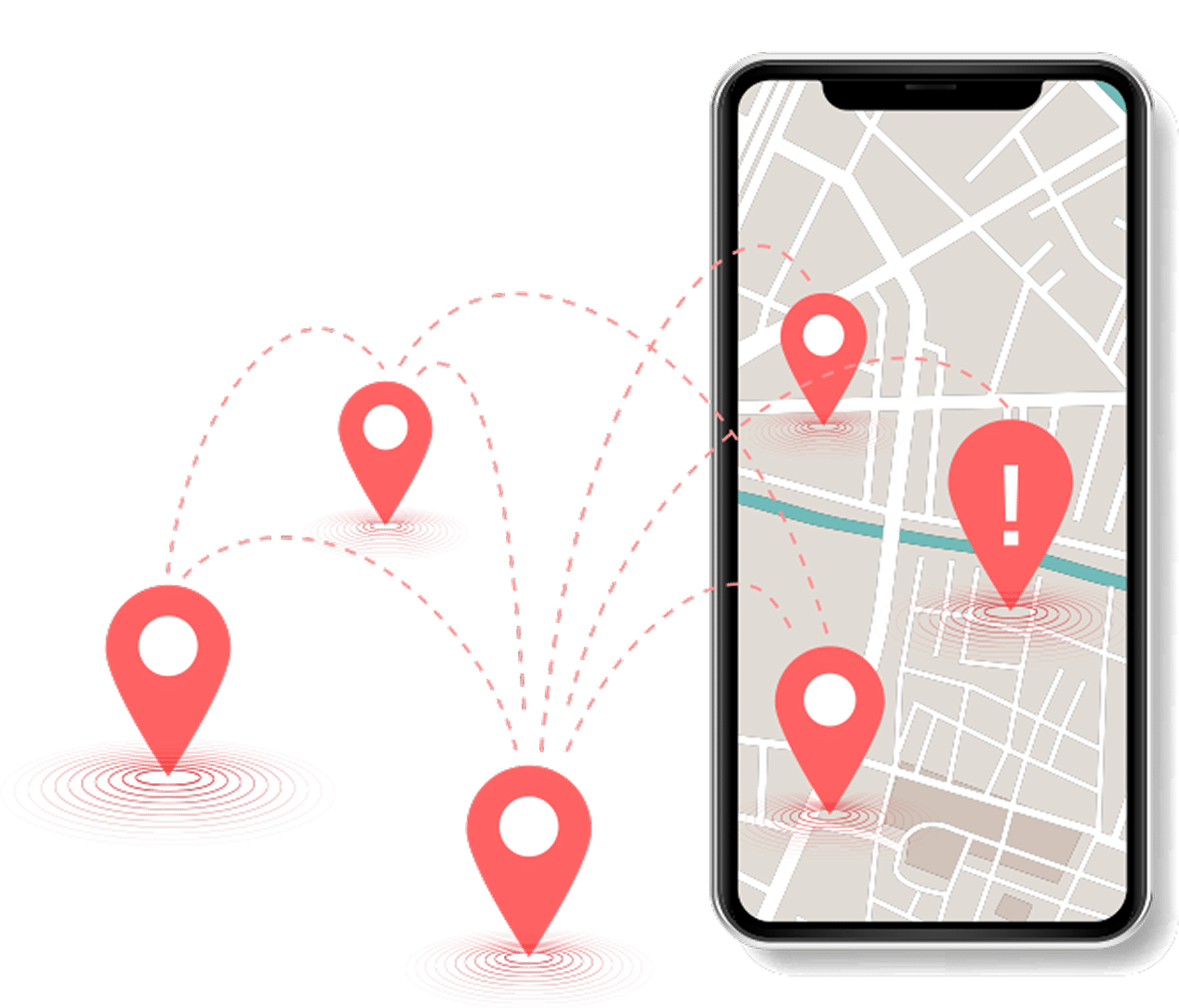
Depending on the application, the system uses location information from a smartphone, vehicle, asset tracker or connected device to determine whether it has entered, exited or remained within the defined area.
When the geofence conditions are met, the system can send notifications, alert managers, record arrivals, automate smart devices, restrict application access, build privacy-compliant advertising audiences.
The software may record the entry, exit, time spent in the area or action that followed. The reporting available depends on the platform, the use case and applicable privacy requirements.
Geofencing accuracy depends on the location technology, device capabilities, operating system, signal quality, physical environment, and how precisely the virtual boundary is created. Results vary by platform, use case, and real-world conditions.
Discover our full range of geofencing and digital advertising services designed to help you reach targeted audiences, increase engagement, and drive measurable marketing results.
Addressable geofencing targets specific households using precise location data.
Event marketing promotes brands by targeting audiences before during and after events.
Political geofencing targets voters with ads based on specific locations and events.
Digital TV advertising delivers targeted video ads on connected streaming platforms
Geofencing can be used legally when location data is collected, processed, and used in compliance with applicable privacy laws.
Organizations should obtain required user consent, respect sensitive locations, and follow platform policies to ensure responsible, transparent, and privacy-compliant location-based activities.

Use geofencing responsibly by respecting privacy, obtaining consent, and following applicable data protection regulations.
Geofencing means drawing an invisible boundary around a real-world place and connecting a digital rule to it. When a location-enabled device or tracked asset crosses the boundary, the system can record the event or trigger an action.
A geofence is the virtual perimeter itself. It can be circular, polygon-shaped, property-based or designed around another mappable geographic area.
Some consumer notification applications require an installed app and location permission. Other uses, such as fleet management, asset tracking and programmatic advertising, may use different devices, software and data systems.
A platform may be able to draw a custom polygon around a specific building or property. Actual targeting precision depends on the platform, location data, surrounding environment and campaign rules.
Geofencing generally focuses on specific physical places or custom boundaries. Geotargeting commonly targets broader areas such as cities, ZIP codes, counties, states or radius areas.
Geofencing technology can process location events, but responsible advertising campaigns should use privacy-compliant identifiers and aggregated reporting rather than giving advertisers personally identifiable lists of everyone who enters an area.
Yes. Businesses can use approved real-world locations to build relevant advertising audiences and deliver display, video, retargeting or connected TV advertising, depending on the platform and campaign.
Accuracy varies based on the device, signal, data source, physical environment and boundary design. It should not be described as perfectly accurate in every situation.
Geofencing can be legal when it complies with applicable privacy laws, consent requirements and platform rules. Restrictions can apply to sensitive locations, sensitive data and regulated industries.
Campaign cost depends on the ad format, audience size, target locations, campaign length and impression volume.
GetGeofencing.com helps businesses and organizations plan location-based advertising campaigns around approved competitor locations, events, business properties, retail locations, campuses, neighborhoods and selected household addresses.
Campaign services can include targeting strategy, free ad design, dashboard access, reporting, optimization and conversion-zone measurement where appropriate.