Schedule your free consultation. We will confirm targeting, budget, and launch timeline.
Trusted by local and multi-location businesses that want measurable growth.
ABOUT
What Is Foot Traffic Attribution?
Traditional reporting often stops at impressions, clicks, or website activity.
But many customers do not convert online.
They see an ad, remember the brand, and visit later in person.
For businesses with physical locations, measuring real impact is essential.
Improves campaign insights
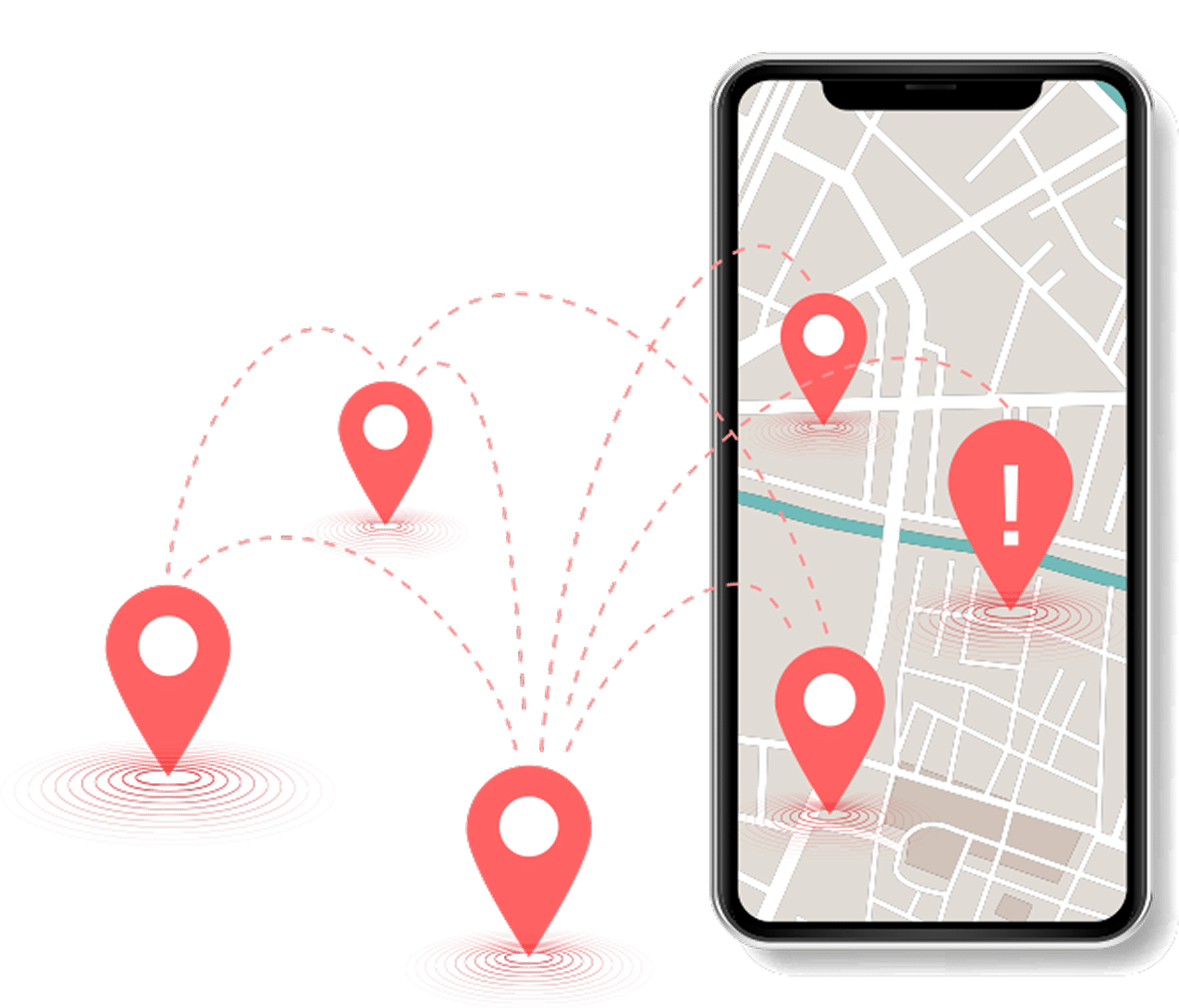
Connects ads to store traffic
Fills gaps beyond clicks
Tracks offline customer visits
Importance of Foot Traffic Attribution in Marketing
A person may see your ad while browsing an app, reading the news, streaming content, or visiting a website. They may not click at all. But they may still visit your location later that day, that week, or that month. Without foot traffic attribution, that visit may never be connected back to your advertising.
Foot traffic attribution helps close that gap by showing how digital campaigns can influence offline behavior. This gives business owners and marketing teams a clearer view of return on ad spend, campaign quality, audience value, and location-based performance.
For many local and regional advertisers, that is the difference between guessing and actually knowing.
Store Visit Explained: What Counts and Why It Matters
Understand what qualifies as a store visit and why it matters for accurately measuring real-world marketing performance.
1.Accurate Location Setup
Ensures the business location is correctly defined for precise.
2.Post-Ad Visit Validation
Confirms that visits happen after users are exposed to ads.
3.Visit Quality Measurement
Uses dwell time and rules to verify genuine customer visits.
4.Clean & Reliable Reporting
Reduces junk traffic for more accurate and trustworthy data.
Benefits of Foot Traffic Attribution for Modern Businesses
Foot traffic attribution helps modern businesses connect digital ads to real-world visits, providing clear insights into campaign performance.
If your goal is to drive real visits and better understand what your advertising is doing in the real world, foot traffic attribution should be part of the conversation.
By tracking actual customer behavior, businesses can make smarter decisions, optimize strategies, and drive more in-store conversions with measurable, data-driven results.
target the right people in the right places
layer display, video, and connected TV tactics
use addressable geofencing where appropriate
measure campaign results with useful reporting
launch quickly with in-house creative support
optimize campaigns over time instead
Data-Driven Ad Creative Location Strategy & Campaign Growth
Ad Creative Performance
Identifies which creatives drive the most
Helps optimize messaging for better respons
Tests visuals, copy, and formats effectively
Improves click-to-visit conversion rates
Reduces wasted spend on low-performing
Location Strategy Effectiveness
Evaluates high-performing target locations
Identifies underperforming zones quickly
Refines geofencing accuracy
Improves audience targeting precision
Maximizes local campaign impact
Campaign Scaling Potential
Determines readiness for budget increase
Highlights top-performing campaigns
Supports data-driven expansion decisions
Reduces risk in scaling efforts
Ensures consistent ROI growth
Campaigns That Track Store Visits Foot Traffic Attribution Guide
The better the targeting, conversion zones, campaign structure, and reporting methodology, the more useful the data becomes.
A badly built campaign does not magically turn into smart reporting just because someone throws a dashboard on top of it.
Precisely the campaign is targeted
Conversion zones are defined
Physical locations are mapped
Reporting rules are configured
However, success depends on strategy, execution, and optimization.
Privacy-Focused Foot Traffic Attribution for Modern Marketing
Reporting is typically presented in aggregated form, helping businesses understand overall campaign performance without relying on personally identifiable information in the report itself.
That makes foot traffic attribution a practical option for businesses that want stronger measurement while still respecting modern privacy expectations.
Uses anonymized and aggregated data for user privacy
Complies with data protection regulations and standards
Ensures secure and ethical tracking of customer visits
you can gain better insight into offline advertising impact without turning
Unique Advantages of Foot Traffic Attribution
We deliver your message across multiple channels to maximize reach.
1.What is foot traffic attribution in advertising?
Foot traffic attribution is the process of measuring physical visits to a business location after a person has been exposed to an advertising campaign.
2.How do you track store visits from digital ads?
Store visits can be measured by combining campaign exposure data with defined conversion zones and location-based reporting methods that identify when an exposed audience later visits a physical location.
3.Is foot traffic attribution accurate?
It can be very useful when campaigns are structured correctly. Accuracy depends on campaign setup, targeting, location precision, conversion zone configuration, and reporting methodology.
4.Can geofencing campaigns measure store visits?
Yes. Geofencing campaigns are one of the most common ways to support foot traffic attribution because they are built around location-based targeting and real-world movement.
5.What businesses benefit most from foot traffic attribution?
Retail stores, restaurants, clinics, real estate communities, funeral homes, dealerships, service businesses, and other organizations with physical locations can benefit from foot traffic attribution.
6.Can foot traffic attribution be used with video and CTV campaigns?
Yes. Depending on the campaign structure and reporting setup, video and connected TV campaigns can be part of a broader strategy that supports foot traffic measurement.
7.What is the difference between foot traffic attribution and click tracking?
Click tracking measures online engagement. Foot traffic attribution helps measure whether advertising influenced real-world visits to a physical location.
8.Do I need a physical business location to use foot traffic attribution?
Yes, in most cases you need a physical location, destination, or conversion zone to measure visits meaningfully.