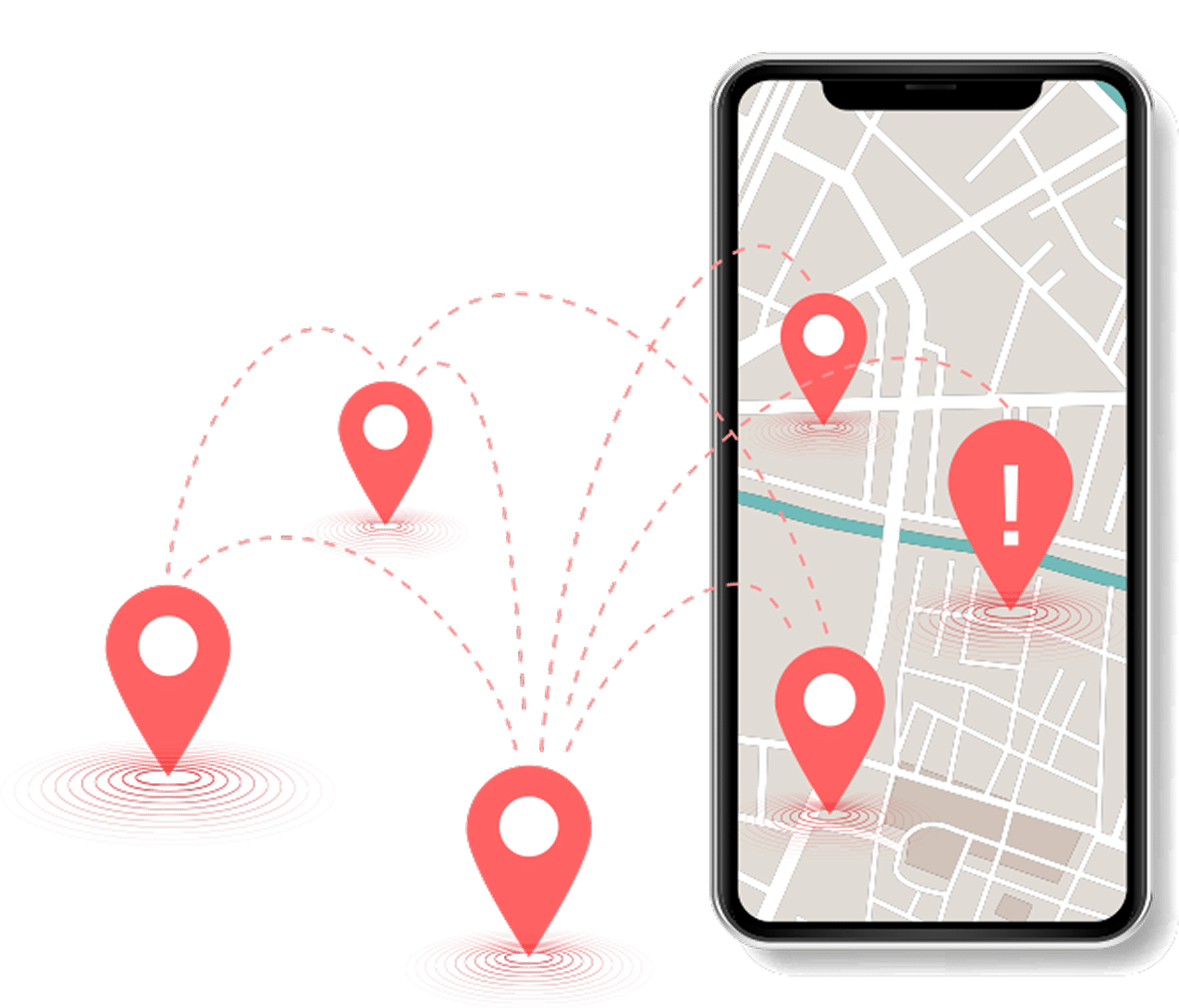




Businesses create a virtual boundary around a location such as a store, event venue, competitor location, or neighborhood.
When someone enters that area with location services enabled, they can later receive targeted ads on apps, websites.
This technology allows businesses to reach potential customers based on where they go in the real world.

Trusted by local and multi-location businesses that want measurable growth.
Watch this quick overview to understand how geofencing Ads helps businesses reach nearby customers and turn location data into real conversions.
Businesses can target potential customers while they are actively shopping or researching nearby services.
Geofencing ads work well for many industries, especially those that depend on local customers.
Promote offers to shoppers visiting competing stores.
Conquest nearby dealerships and service centers with trade-in and financing messages..
Reach patients comparing providers with new-patient offers.
Target nearby competitors with time-sensitive promos.
Capture homeowners shopping competitors for seasonal or emergency work.
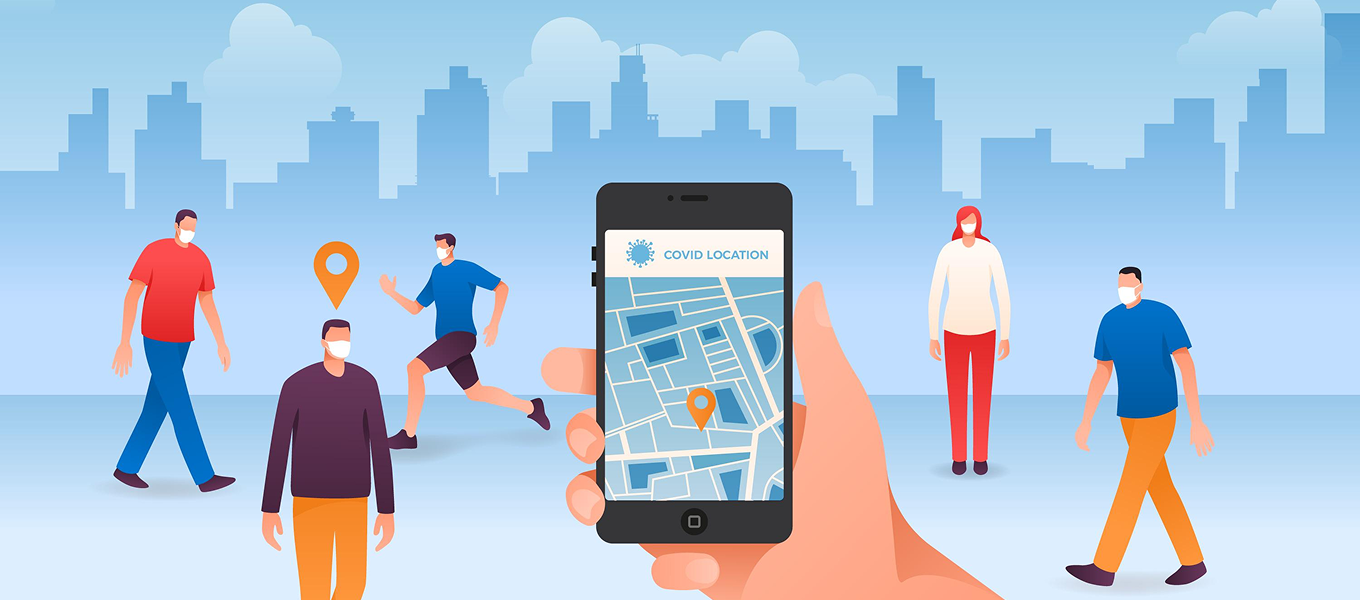
Geofencing ads help businesses target people based on their real-world location.
Retail stores and car dealerships use this technology to attract nearby customers and increase visits..
Geofencing uses location technology to detect when a mobile device enters a specific geographic area
A digital boundary is placed around a specific location using GPS, Wi-Fi, or mobile signals.
When people enter the targeted area, anonymous device IDs are collected through location-enabled apps.
These devices are added to an audience pool for advertising campaigns.
Ads are shown to these users across websites, apps, and social platforms after they leave the location.
Businesses can measure impressions, clicks, visits, and conversions to evaluate campaign success.
Traditional online ads rely mainly on demographics or browsing behavior. Geofencing ads add another layer by using physical location data.
Customer Engagement
Store Visits
Local Brand Visibility
Geofencing ads target people based on their physical location, while regular digital ads typically rely on demographics, interests, or browsing history.
Geofencing campaigns use anonymous device IDs rather than personal data, making them compliant with privacy regulations and advertising standards.
Geofencing technology can target users within very specific geographic boundaries, sometimes as precise as a few meters depending on the location signals used
Many businesses create geofences around competitor stores to reach potential customers who are actively considering similar products or services.
Industries that rely on local customers such as retail, healthcare, real estate, automotive, hospitality, and restaurants often see the strongest results from geofencing campaigns.
Geofencing ads are location-based advertisements that target mobile users when they enter a specific geographic area. Businesses create a virtual boundary around locations such as stores, events, or competitor locations and later show ads to those users across websites and apps.
Geofencing ads help local businesses reach nearby customers who are more likely to visit their store or use their services. By targeting people based on their real-world location, businesses can increase foot traffic, improve local brand awareness, and generate more qualified leads.
Businesses often place geofences around competitor locations to reach customers who recently visited those places. This competitor targeting strategy allows companies to show targeted offers, promotions, or ads that encourage those customers to consider their products or services instead. By capturing audiences who are already interested in similar products or services, businesses can increase brand visibility and attract potential customers who may be ready to switch or try a new option.