
Geofencing marketing helps businesses reach people based on real-world location behavior rather than broad demographics or ZIP codes.
GetGeofencing creates targeted campaigns around competitor locations, events, retail stores, neighborhoods, campuses, and households.
Complete campaign management includes audience targeting, ad design, reporting, and conversion tracking across display, video, retargeting, and connected TV advertising.









Trusted by local and multi-location businesses that want measurable growth.
Use precise location targeting to connect with potential customers at competitor locations, events, retail centers, and other valuable destinations.
Geofencing marketing uses virtual boundaries around real location-based advertising to reach people based on where they have been.
Businesses can target competitor stores, campuses, hotels, events, neighborhoods, and trade shows.
Ads are then delivered across websites, mobile apps, video, and connected TV to engage high-intent audiences and drive measurable local results.

Location-Based Audience Targeting
Custom Digital Perimeter Creation
Behavior-Driven Ad Delivery
Performance and Visit Tracking
Cross-Platform Campaign Reach
Learn how these three targeting methods differ in audience selection, location accuracy, and campaign execution choosing the right approach helps maximize reach, relevance, and marketing results.
Targets people based on presence inside specific real-world boundaries such as stores, venues, campuses, or competitor locations.
When you know where your ideal audience physically goes.
Targets people based on broader geographic areas such as cities, ZIP codes, DMAs, counties, or radius targeting.
When you want general local reach and do not need building-level precision.
Targets selected households or address lists by creating property-level boundaries or household-based audiences.
When you have a CRM list, direct-mail list, voter file, donor list, or selected households.
Serves ads to people who previously visited your website or landing page.
When you want to bring interested visitors back after they leave your site.
Delivers video ads on streaming television inventory, often layered with location or audience strategy.
When you want higher-impact awareness and video reach beyond display ads.
| Tactic | What It Means | Best Use |
|---|---|---|
| Geofencing | Targets people based on presence inside specific real-world boundaries such as stores, venues, campuses, or competitor locations. | When you know where your ideal audience physically goes. |
| Geotargeting | Targets people based on broader geographic areas such as cities, ZIP codes, DMAs, counties, or radius targeting. | When you want general local reach and do not need building-level precision. |
| Addressable Geofencing | Targets selected households or address lists by creating property-level boundaries or household-based audiences. | When you have a CRM list, direct-mail list, voter file, donor list, or selected households. |
| Retargeting | Serves ads to people who previously visited your website or landing page. | When you want to bring interested visitors back after they leave your site. |
| CTV/OTT Targeting | Delivers video ads on streaming television inventory, often layered with location or audience strategy. | When you want higher-impact awareness and video reach beyond display ads. |
Drive better results with precision targeting, expert management, and data-driven geofencing solutions.
Geofencing Marketing can work for many industries, but it performs best when physical location is a strong signal of buyer intent.

Reach Attract nearby buyers and generate quality property leads.

The events organizations plan and manage all types of events.

Conquest nearby dealerships and service centers with trade-in and financing messages.

Reach high-value prospects visiting other firms and offices.

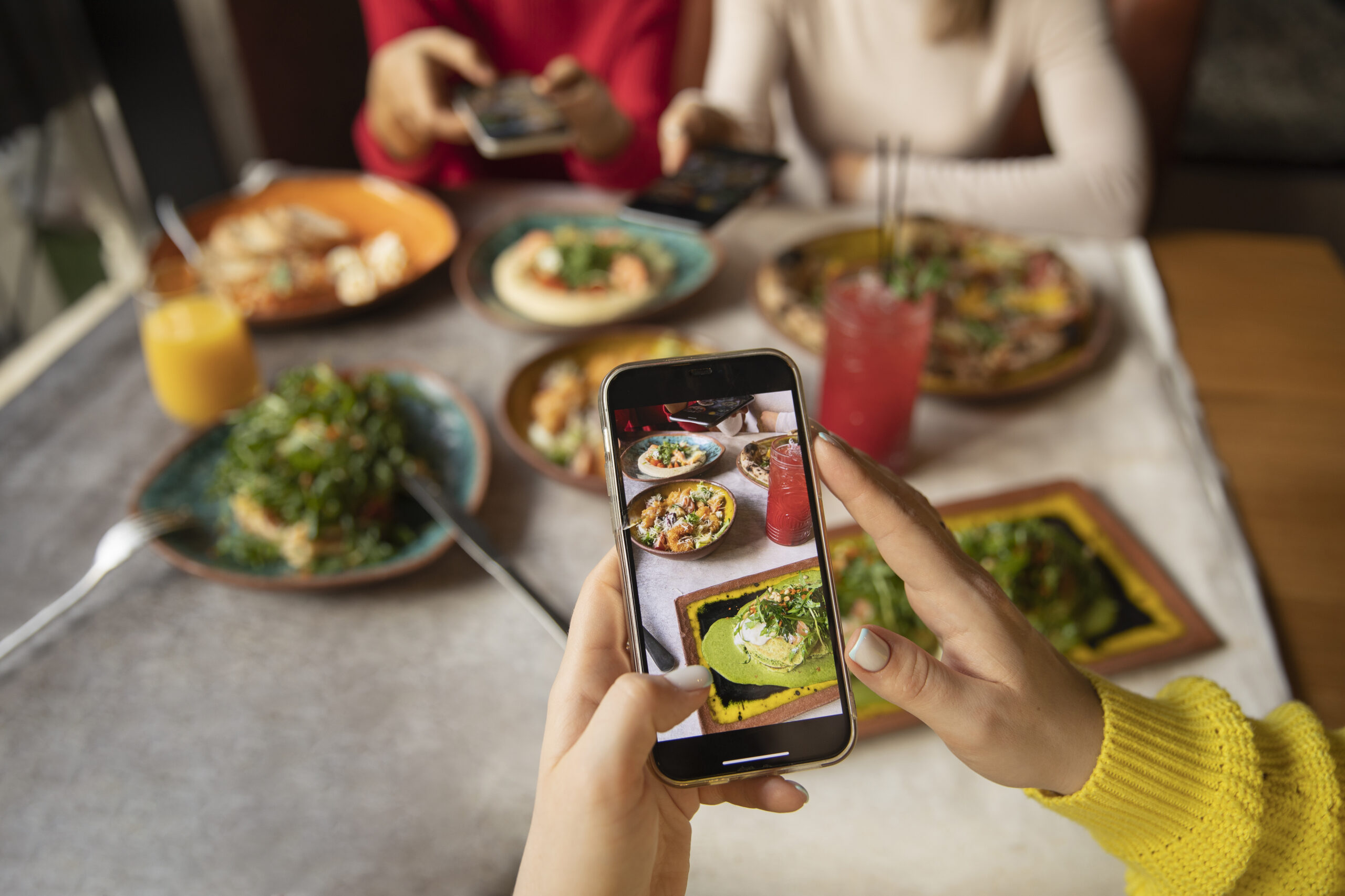
Reach high-intent audiences by targeting the real-world locations they visit most before making a purchase or business decision.
Stores, dealerships, apartment communities, gyms, clinics, restaurants, or service providers that attract your ideal audience.
Shopping centers, malls, business districts, hotels, airports, tourist areas, and local hotspots.
Selected residential areas, master-planned communities, or high-value local pockets.
Addressable geofencing can match a list of physical addresses and build campaigns around individual households or property.
Cnferences, trade shows, stadiums, concerts, expos, conventions, festivals, and sporting events.
Universities, technical schools, training centers, or student housing corridors, depending on campaign rules and audience.
Office parks, headquarters, manufacturing plants, distribution centers, and other B2B-relevant locations.
Hospitals, medical centers, specialty clinics, urgent care centers, and wellness practices.
Geofencing marketing businesses reach the right audience, increase local visibility, and drive measurable marketing results.
Identify the real-world places where your ideal customers are most likely to visit, focusing on specific locations to create a more accurate and effective audience.
Create highly accurate and customized digital boundaries around the selected physical locations to reduce wasted ad spend and improve targeting accuracy.
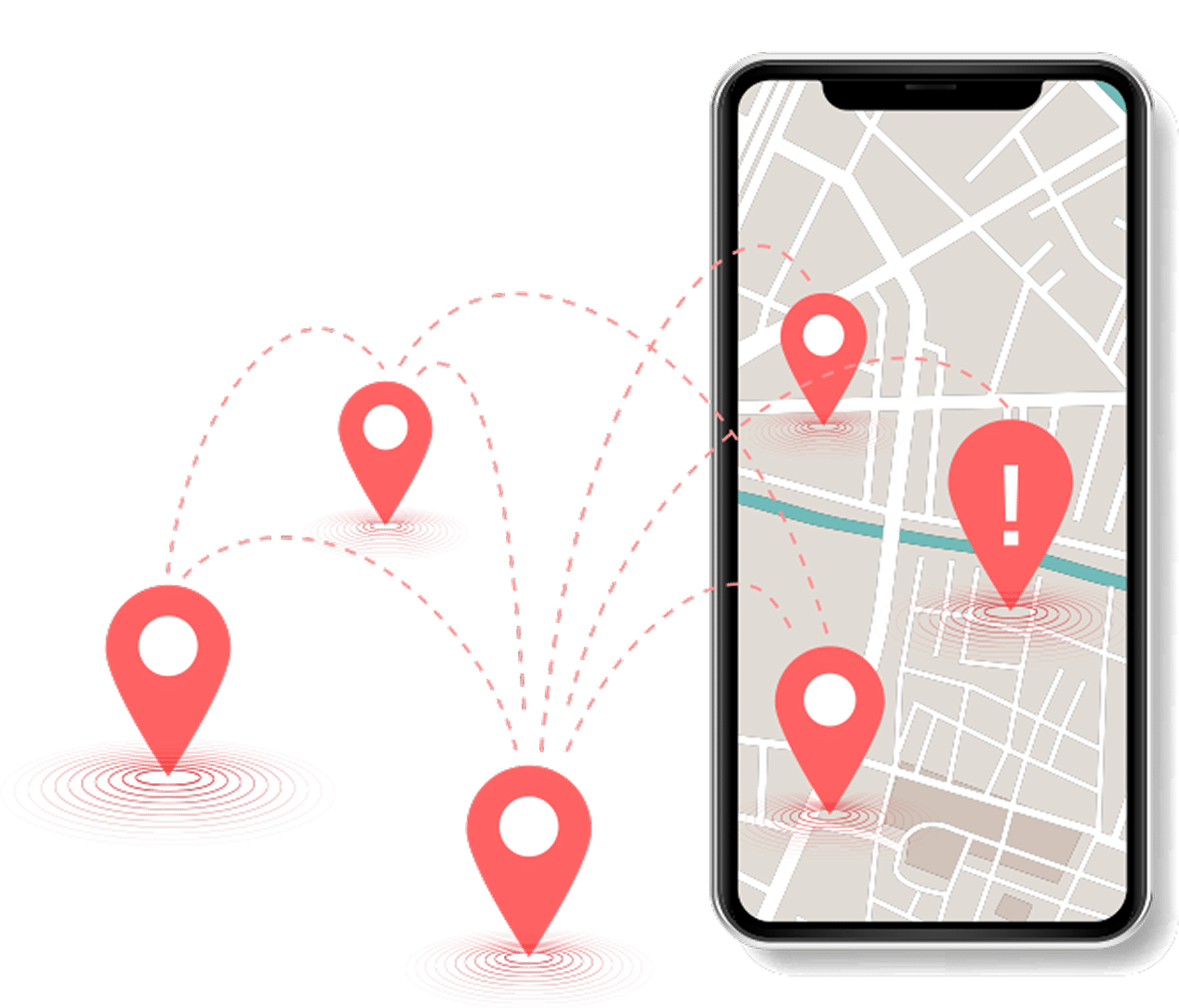
Collect anonymous mobile devices detected within the geofenced areas, allowing you to reach people based on where they have actually been.
Deliver relevant ads through display, mobile, video, retargeting, and OTT channels while matching the message to the audience’s location and intent.
Track campaign performance using impressions, clicks, and location visits, then use those insights to optimize targeting and improve results.
Monitor impressions, clicks, website activity, conversions, and location visits to evaluate campaign performance and business impact.
How many times ads were served.
How many people clicked the ad.
Clicks divided by impressions.
landing page visits, form submissions, calls, or other tracked actions.
People exposed to the campaign who later entered a designated physical location.
Useful for evaluating campaign efficiency.
Which target zones produced the strongest audience or response.
| Campaign Metric | Best For |
|---|---|
| Impressions | How many times ads were served. |
| Clicks | How many people clicked the ad. |
| Click-Through Rate | Clicks divided by impressions. |
| Website Activity | Landing page visits, form submissions, calls, or other tracked actions. |
| Conversion-Zone Visits | People exposed to the campaign who later entered a designated physical location. |
| Cost per Visit or Cost per Action | Useful for evaluating campaign efficiency. |
| Location-Level Performance | Which target zones produced the strongest audience or response. |
Small campaign costs work well for testing a single market or event, while larger budgets support multiple locations, broader audiences, and higher campaign frequency for stronger results.
Targeted display ads: $850 per 100,000 impressions.
Video ads: $1,800 per 100,000 impressions.
ZTV/ZIP streaming video: $2,400 for 150,000 impressions.
Geofencing marketing is typically priced on a CPM basis, with costs influenced by audience size, target locations, campaign duration, ad formats, creative requirements, and channels such as display, video, retargeting, and connected TV.
Apply proven targeting, compelling messaging, and conversion-focused optimization to maximize campaign performance, audience engagement, and measurable business results.
Choose target locations based on customer intent rather than size. High-value competitor locations, events, or neighborhoods often produce better results than broad targeting, helping campaigns reach qualified audiences while reducing wasted impressions.
Your ad should present a clear reason for people to respond. Highlight valuable offers, promotions, appointments, comparisons, or event reminders that encourage action and make your message more relevant to the targeted audience.
Successful campaigns require repeated exposure to build awareness and trust. Showing ads consistently over time helps increase brand recognition while balanced frequency prevents overspending and keeps your message visible to potential customers.
The landing page should match the ad’s message and guide visitors toward a clear action. Relevant content, strong calls to action, and easy contact options improve conversions and create a better user experience.
Discover our full range of geofencing and digital advertising services designed to help you reach targeted audiences, increase engagement, and drive measurable marketing results.
Addressable geofencing targets specific households using precise location data.
Event marketing promotes brands by targeting audiences before during and after events.
Political geofencing targets voters with ads based on specific locations and events.
Digital TV advertising delivers targeted video ads on connected streaming platforms
Geofencing marketing should follow privacy regulations and platform policies by using anonymized advertising identifiers and compliant targeting practices.
Businesses must avoid sensitive locations and regulated categories to protect user privacy, reduce compliance risks, and ensure campaigns remain ethical, effective, and aligned with industry advertising standards.

Provide your locations, goals, budget, and creative assets so we can launch effectively.
Addresses, business names, event venues, campuses, competitor locations, neighborhoods, or selected household addresses.
The store, office, event, showroom, campus, or other destination where visits should be measured.
Start date, end date, event schedule, and any important timing windows.
Offer, brand colors, logo, landing page, preferred call to action, and any required disclaimers.
The specific destination where users should go after clicking the ad to convert.
Leads, appointments, awareness, event attendance, recruitment, tours, donations, calls, or website.
Monthly spend, impression goal, market area, and any exclusions.
Customer demographics, interests, behaviors, or audience segments that align with your marketing objectives.
Geofencing marketing is a location-based advertising strategy that uses virtual boundaries around real-world places. When eligible mobile devices are detected inside those boundaries, the audience can be served ads across digital channels.
Geofencing usually targets specific physical places such as buildings, stores, venues, campuses, or events. Geotargeting is broader and commonly targets cities, ZIP codes, counties, states, or radius areas.
Accuracy depends on the data source, device signal, fence design, and platform. Precise polygon fences can reduce wasted targeting compared with broad radius targeting, especially around buildings, shopping centers, campuses, and venues.
Yes, competitor conquesting is one of the most common uses of geofencing. A business can target people who visit selected competitor locations and serve ads encouraging them to compare, request pricing, visit a store, book a consultation, or take another action.
Yes, but that is usually handled as addressable geofencing. Addressable geofencing uses selected household addresses or address lists to build a campaign around specific homes or properties.
Geofencing is commonly priced on a CPM basis, meaning cost per thousand impressions. At GetGeofencing.com, targeted display campaigns commonly start at $850 per 100,000 impressions, with video and streaming options priced separately.
Geofencing campaigns can use display ads, mobile ads, video ads, retargeting, and in some cases connected TV or OTT ads. The best format depends on the goal, audience, budget, and campaign timeline.
Yes, when conversion-zone tracking is used. A conversion zone is drawn around the location where you want people to visit. If someone was served an ad and later enters that zone, the visit can be attributed as an offline conversion.
Launch time depends on targeting complexity, creative approval, platform review, and compliance requirements. Many campaigns can launch within a few business days after the locations, landing page, and ads are approved.
Geofencing can work for retailers, restaurants, automotive dealers, student housing, home builders, real estate, events, recruiting, legal services, advocacy organizations, B2B marketers, and many local service businesses.
Geofencing marketing can be legal when run through compliant platforms and privacy-safe processes. Campaigns must follow applicable laws, platform rules, consent requirements, and restrictions around sensitive locations and sensitive audience categories.
Provide target locations, conversion locations, campaign dates, landing page URL, creative direction, budget, and the main campaign goal. GetGeofencing.com can help organize the targeting and create the ads.
Get a free geofence marketing plan from GetGeofencing. We will review your goals, target locations, budget, launch timeline, and measurement plan before you spend a dollar.