Schedule your free consultation. We will confirm targeting, budget, and launch timeline.
Trusted by local and multi-location businesses that want measurable growth.
How Political Geofencing in Michigan Works in 60 seconds
Watch this quick overview to understand how Political Geofencing in Michigan helps businesses reach nearby customers and turn location data into real conversions.
ABOUT
What is Political Geofencing?
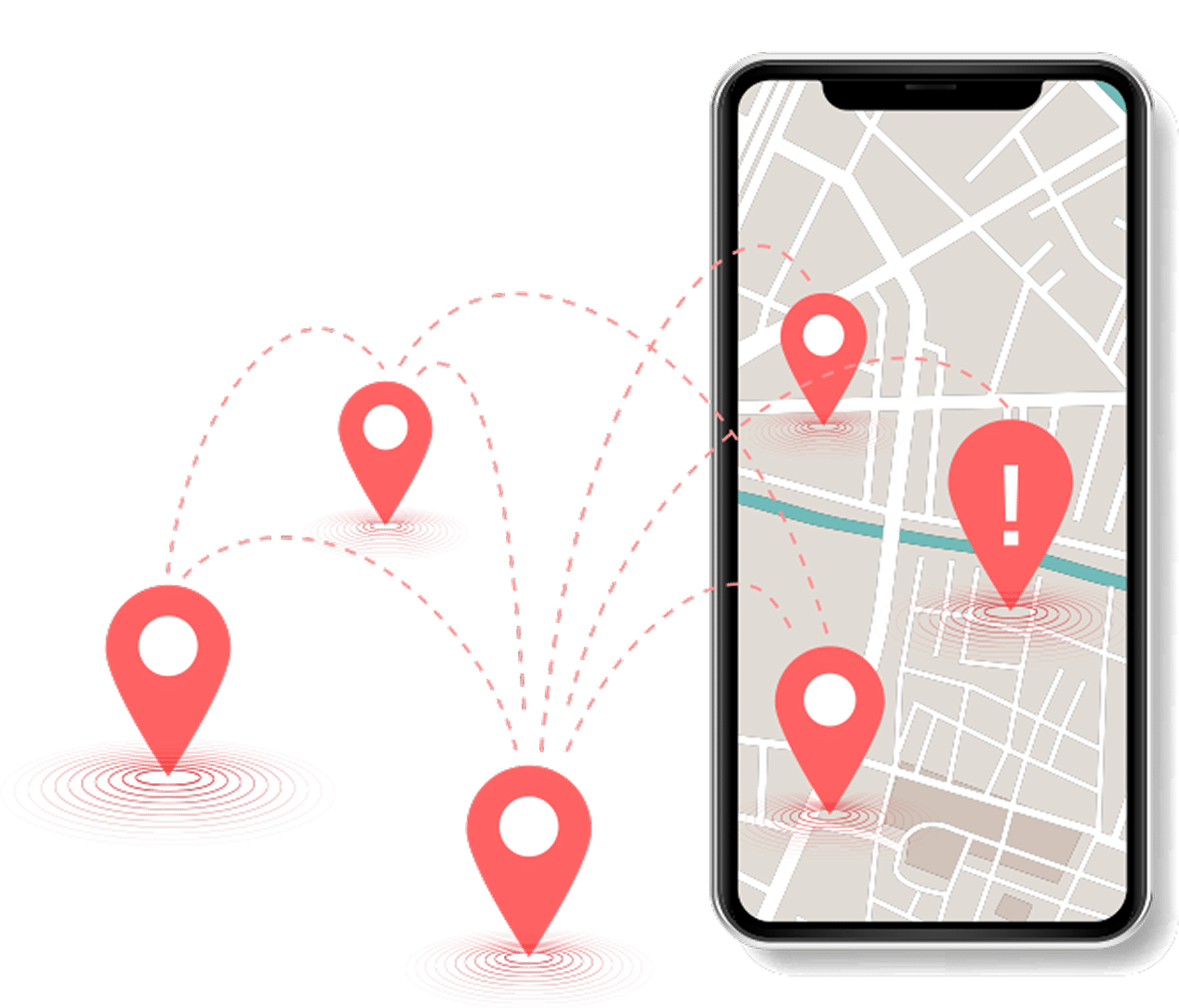
is a digital marketing Political geofencing strategy that creates a virtual boundary around real-world locations.
When voters enter these areas, they can be served targeted political ads on their mobile devices.
This means you can reach voters based on where they go — not just who they are.
Target voters at events polling stations and public venues
Serve ads across mobile apps, websites, and streaming platforms
Retarget users after they leave the location
Track real-world actions like event attendance
Working Process of Political Geofencing Campaigns
A step-by-step approach using location data to target, engage, and convert voters effectively.
Michigan Voter Targeting with Geofencing Strategies
Target key cities, reach undecided voters, and optimize campaigns in Michigan with precise geofencing strategies.
Target Michigan cities
One of the busiest airports
Georgia Aquarium
Mercedes-Benz Stadium
Downtown Atlanta
Midtown Atlanta
Reach undecided voters
Savannah Historic District
River Street
Savannah waterfront
Forsyth Park area
SCAD-adjacent zones
Use localized messaging
University of Georgia
Historic North Campus
Sanford Stadium
Downtown Athens
State Botanical Garden
Optimize with real-time data
Augusta visitor corridors
Augusta National Golf Club
Downtown Augusta
Augusta Riverwalk
Golf and hospitality
Boost Campaign Results with Geofencing Instead of Traditional Ads
Highly Targeted Voter Outreach with Geofencing
1.Decisions made in real-time 2.Proximity influences buying choice 3.Higher chance of store visits 4.Impulse purchases increase 5.Location drives conversion
Real-Time Measurable Campaign Performance
1.Rapid growth in local searches 2.Users actively looking to buy nearby 3.High intent compared to generic searches 4.Driven by mobile usage 5.Immediate action behavior
Cost-Effective Political Ads with Geofencing
1.Combines behavior and location data 2.Reaches users at the right moment 3.More precise than interest targeting 4.Improves ad relevance 5.Boosts conversion rates
Get Started with Geofencing in Michigan for Better Results
We deliver your message across multiple channels to maximize reach.
Yes, geofencing uses anonymized data and complies with advertising and privacy regulations when implemented correctly.
2.How accurate is geofencing targeting?
Geofencing can target users with high precision, often within a few meters depending on GPS data accuracy.
3.Can I target voters from competitor events?
Yes, competitor conquesting allows you to serve ads to people attending opponent rallies or offices.
4. How long can you retarget voters?
Campaigns can retarget users for up to 30 days or more after visiting a location.
5. What results can I expect?
You can expect increased engagement, improved voter awareness, and measurable campaign performance through analytics and reporting.
6.How does political geofencing target voters in Michigan?
Political geofencing targets voters by creating virtual boundaries around real locations like events, neighborhoods, and polling areas, allowing campaigns to deliver ads to people based on where they go.
7.Is political geofencing effective for Michigan elections?
Yes, it is highly effective because it focuses on swing regions and high-intent voters, helping campaigns increase engagement, awareness, and voter turnout with precise targeting.
8.Can political geofencing influence undecided voters?
Yes, campaigns can deliver tailored messages to undecided voters based on their location behavior, improving persuasion and increasing the chances of conversion.