
Geofencing advertising helps San Diego businesses reach people based on real-world locations they visit.
Ads are delivered to audiences who enter specific areas such as events, stadiums, shopping centers, neighborhoods, restaurants, or competitor locations.
This targeted approach reduces wasted ad spend, increases relevance, and helps drive leads, website traffic, calls, walk-ins, and brand awareness.







Trusted by local and multi-location businesses that want measurable growth.
Reach local customers at the right place and time with precision-targeted advertising. Increase brand visibility, attract qualified prospects, and drive measurable growth across San Diego.

Geofencing advertising is a location-based marketing strategy that creates virtual boundaries around specific real-world locations.
When mobile devices enter those areas, they can be targeted with ads across websites, apps, video, and programmatic networks.
By focusing on places such as competitor locations, shopping centers, events, and neighborhoods, businesses can reach audiences.

Create Virtual Boundaries Around Places
Deliver Ads Across Digital Channels
Maximize Results With Precision Targeting
Target Customers by Location Visits
Reach Audiences With Higher Intent
High-value San Diego locations to reach audiences based on real-world visits, local interests, consumer behavior, and location-specific buying intent.
Target trade show attendees, conference visitors, and professionals around the convention center, Gaslamp Quarter, and waterfront areas to increase brand awareness, generate leads, and promote hospitality.
Reach tourists, diners, nightlife visitors, and entertainment seekers in downtown San Diego, helping businesses drive immediate engagement, increase foot traffic, and promote location-based offers and experiences.
Engage sports fans, concert attendees, tourists, and local visitors near Petco Park with targeted campaigns that boost awareness, encourage visits, and support event-related promotions.
Connect with event attendees, commuters, shoppers, and local consumers through geofencing around stadium events, retail centers, restaurants, and high-traffic areas in Mission Valley.
Reach families, tourists, museum visitors, and cultural event attendees with tailored advertising that promotes attractions, restaurants, hotels, entertainment options, and tourism-related services.
Target beachgoers, tourists, recreation enthusiasts, and local visitors with campaigns designed for hospitality, dining, entertainment, outdoor activities, and seasonal promotions.
Connect with affluent consumers, professionals, shoppers, and residents in premium neighborhoods, supporting campaigns for healthcare, luxury services, education, retail, and real estate.
Reach distinct neighborhood audiences with customized messaging that aligns with local culture, dining preferences, events, shopping behavior, and community interests.
Businesses reach high-intent audiences with precise location targeting, improving engagement, conversions, and marketing efficiency.
San Diego businesses targeting local customers use Geofencing San Diego to reach nearby audiences and boost conversions.
Conquest nearby dealerships and service centers with trade-in and financing messages.

Reach Attract nearby buyers and generate quality property leads.

The events organizations plan and manage all types of events.

Reach high-value prospects visiting other firms and offices.


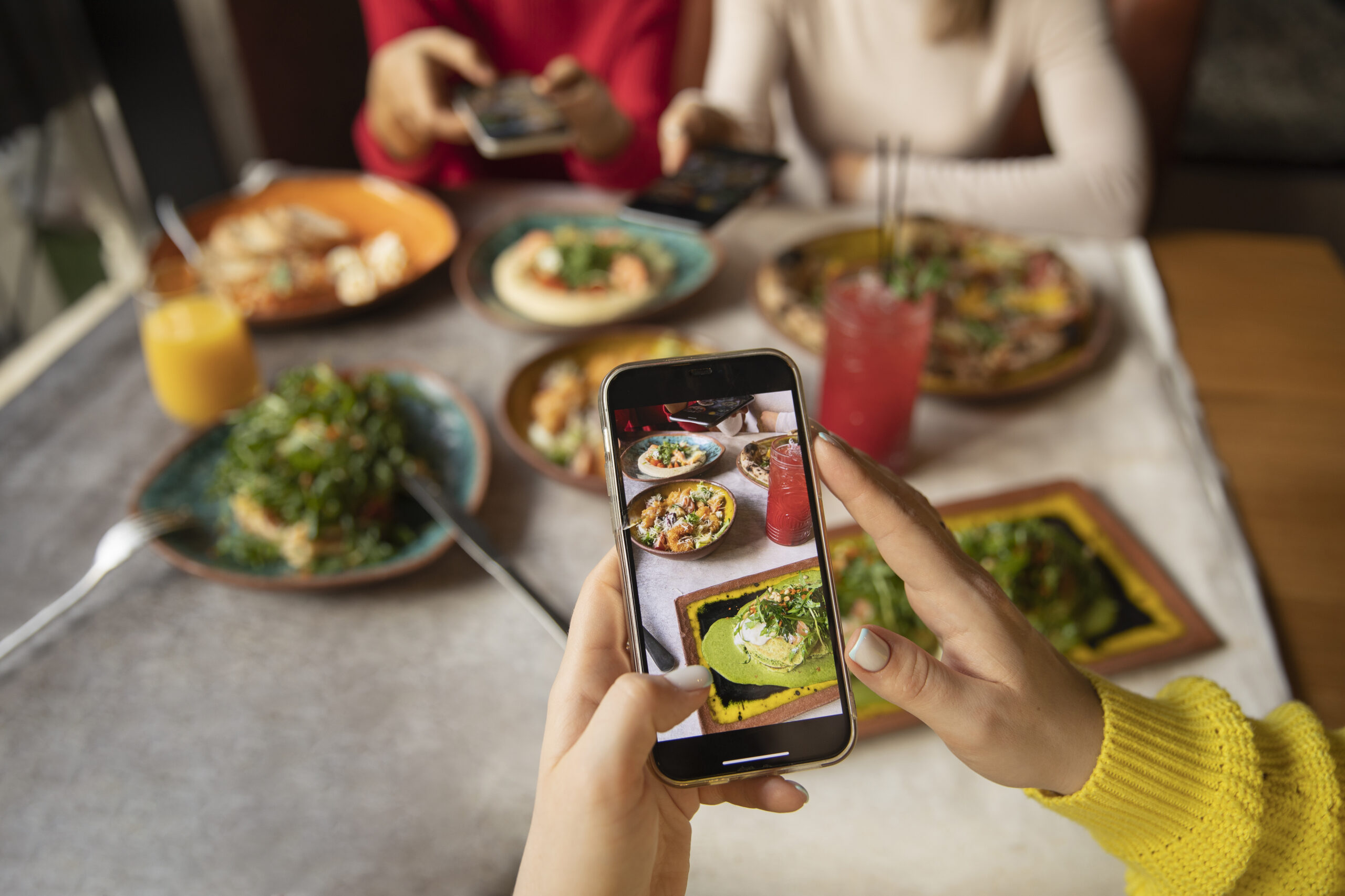
Discover the most effective Idaho geofencing campaign types to reach targeted audiences, increase engagement, and drive measurable results.
Targets nearby visitors with promotions for reservations, dining specials, and event-night offers.
Reaches homeowners in selected neighborhoods using address-based targeting and seasonal promotions.
Engages competitor shoppers with inventory highlights, financing options, and trade-in incentives.
Connects with event attendees before and after conventions through targeted digital advertising.
Reinforces campaign messaging across households and community event audiences using geofencing.
Promotes appointments and healthcare services to visitors of nearby medical facilities.
San Diego provides precise targeting, location intelligence, and measurable advertising results.
San Diego businesses reach the right audience, increase local visibility, and drive measurable marketing results.
The first step is deciding what the campaign is supposed to accomplish. Common goals include website visits, lead generation, phone calls, foot traffic, event attendance, store visits, brand awareness, or direct response.
Next, we identify the real-world locations that indicate audience relevance. These may include competitor locations, neighborhoods, events, venues, shopping centers, business districts, campuses, or address lists.
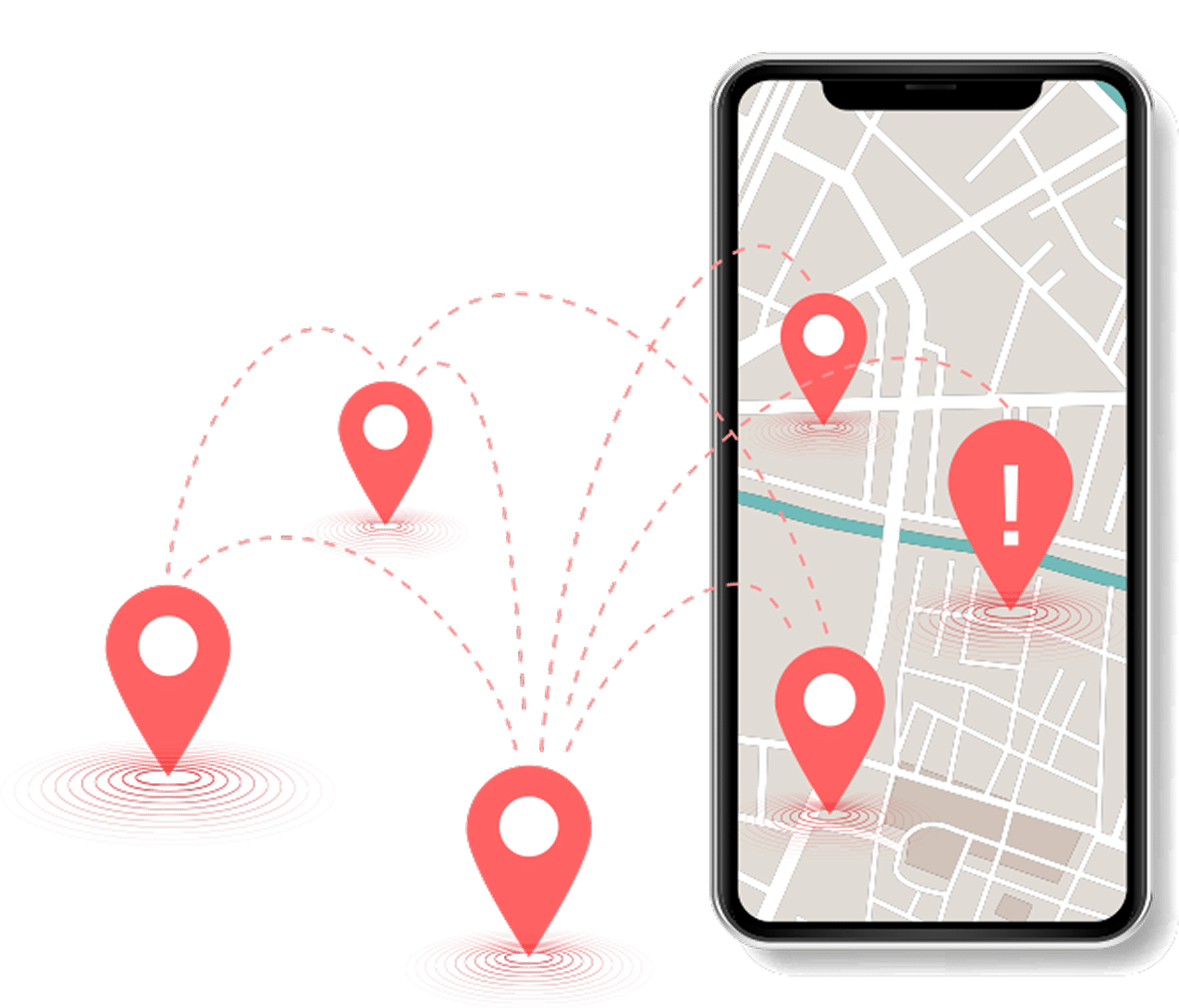
Once locations are selected, the campaign can build an audience of mobile devices seen in those areas. Depending on the campaign type, targeting may include real-time geofencing, historical visitation audiences.
Your audience can be reached with targeted display ads, mobile ads, video ads, and connected TV or streaming-style placements where appropriate. Creative should be clear, direct, and matched to the campaign goal.
A serious geofencing campaign should include reporting. Important metrics may include impressions, clicks, click-through rate, website actions, conversions, and physical visits when conversion zones are used.
Build a customized San Diego geofencing strategy designed to reach the right audience and drive measurable business growth.
Geofencing
Geotargeting
Discover our full range of geofencing and digital advertising services designed to help you reach targeted audiences, increase engagement, and drive measurable marketing results.
Addressable geofencing targets specific households using precise location data.
Event marketing promotes brands by targeting audiences before during and after events.
Political geofencing targets voters with ads based on specific locations and events.
Digital TV advertising delivers targeted video ads on connected streaming platforms
San Diego geofencing campaign costs vary based on audience size, targeted locations, ad formats, campaign duration, and impression volume.
Smaller campaigns generally require lower budgets, while larger multi-location strategies cost more.
The ideal budget depends on your goals, whether focused on awareness, lead generation, customer acquisition, event promotion, or long-term brand growth.

Discover proven geofencing campaign types that help San Diego businesses reach targeted audiences and drive results.
Geofencing advertising is a digital marketing strategy that serves ads to people based on their visits to specific physical locations. A virtual boundary is drawn around a location, and devices seen in that area can become eligible to receive ads.
Yes. Competitor geofencing is one of the most common uses of this strategy. Businesses can target people who visit competing locations and serve ads that present their own brand, offer, or service as an alternative.
Yes. Event geofencing can be used around venues, trade shows, conferences, festivals, stadiums, and other event locations. San Diego is a strong event market because of its convention, sports, tourism, and entertainment activity.
Yes. The San Diego Convention Center can be used as a geofencing target when it fits the campaign strategy. Nearby hotels, restaurants, and downtown areas may also be included depending on the goal.
Yes. Addressable geofencing can be used to target selected households or residential areas. This is useful for home services, real estate, political campaigns, financial services, nonprofits, and direct-mail follow-up campaigns.
Common ad formats include targeted display ads, mobile ads, video ads, retargeting ads, and connected TV or streaming-style placements. The best format depends on the campaign goal and budget.
Most campaigns should run at least 30 days so there is enough time to build reach, collect performance data, and optimize. Event campaigns may have shorter windows, but they should still include planning, launch, active delivery, and follow-up retargeting.
Yes. Conversion zones can help measure physical visits after ad exposure. A conversion zone is usually placed around your business location, showroom, office, dealership, restaurant, or event location.
No. Geofencing can work for local businesses, regional companies, franchises, political campaigns, nonprofits, and national brands. The key is building the campaign around the right audience, locations, budget, and offer.
A successful campaign needs precise location selection, strong creative, enough impression volume, a clear call to action, proper tracking, and ongoing optimization. The strategy should be built around real business goals, not just map pins.
If your customers visit specific places in San Diego, we can help you build a campaign around those locations. Tell us who you want to reach, where they go, and what action you want them to take.
We will help map the strategy, build the audience, create the ads, launch the campaign, and report the results.