

Political Geofencing in Colorado
Political geofencing Colorado is a game-changer for political campaigns. It allows candidates to target specific geographic areas for advertising, ensuring they can reach their desired demographic and voter base in a specific location. At Getgeofencing, we pride ourselves on utilizing the power of geofencing to help underdog candidates win big.
By leveraging our custom-built software, even those with limited budgets can compete with multi-million dollar ad spends. Once we launch a political geofencing Colorado campaign, you can expect to see an upward trend in the polls. We understand that transparency is key, which is why we offer weekly updates and reporting.
Our team is dedicated to providing complete accountability for all of our services. With our help, you can build the following and coalition you need to win your respective race. Give us a call today and let’s get started on your path to victory with political geofencing Colorado.

Political Geofencing Colorado – Voter Engagement
In the world of politics, everything comes down to reaching as many voters as possible, but finding an effective approach that captures the attention of your targeted demographic can be challenging. Fortunately, our team at Political Geofencing Colorado has a solution that can make your campaigning efforts significantly more successful.
Our innovative geofencing technology helps you create highly personalized and engaging experiences for your audience while gaining valuable insights into the effectiveness of your campaign. By targeting event attendees, we help generate foot traffic to your rallies and events, which produces high engagement, participation, and potential donors.
With our geofencing approach, effective campaigning is streamlined while saving you money and time. So, if you’re seeking to catapult your political agenda to new heights, contact Political Geofencing Colorado today!

Political Geofencing Colorado – Improved Analytics
In a highly competitive state like Colorado, winning your political campaign requires a deep understanding of your voter base. That’s where Political Geofencing Colorado comes into play. By using this technology, campaigns can gain valuable data on who is interacting with their message and where.
This information allows them to focus their efforts on the areas where support is strongest, and tailor their message to resonate more effectively with their supporters.
The real-time nature of this data means that campaigns can adjust their strategies on the fly, ensuring that no potential supporter is left untouched by their message. With Political Geofencing Colorado, campaigns can gain an edge in a challenging political environment, and create personalized messages that speak directly to the concerns of their supporters.
Political Geofencing Colorado – Cost-Effective
In the fast-paced world of political campaigning, traditional marketing methods like TV ads and print media can be a real drain on a candidate’s budget.
That’s where geofencing comes in. Our state-of-the-art technology allows campaigns to reach a large number of people in a specific area at a fraction of the cost of traditional methods. Our proprietary blend of geofencing has helped candidates win seats in the House and Senate as well as local and state level elections.
We believe that geofencing is the future of political campaigning, and we’re excited to be at the forefront of this revolution. As a political geofencing company based in Colorado, we work with all types of campaigns, from democratic to republican and everything in between. So if you’re looking to get ahead in your race, join us on this journey of innovation and let’s redefine political campaigning together.
Political Geofencing Colorado – Real-Time Updates
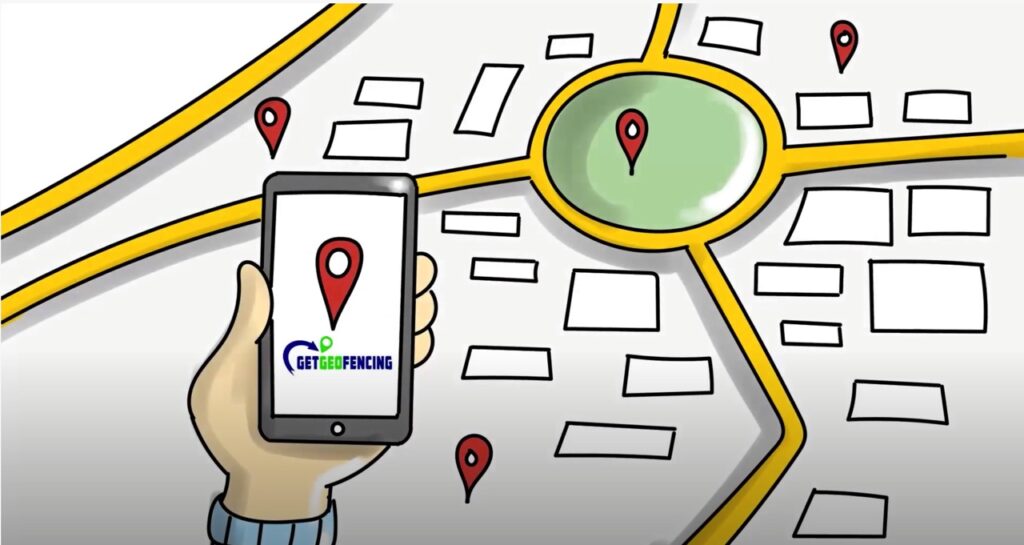
Political geofencing campaigns in Colorado have revolutionized the way election strategies are created and executed. With the help of geofencing technology, campaigns can now target specific areas and demographics in real-time to make informed decisions.
By analyzing the data received from their campaigns, they can quickly adjust to underperforming areas, connect with voters, and influence them positively. Geofencing technology has played a crucial role in changing people’s perception about candidates who were previously unfavorable to certain groups. The ability to target specific demographics and areas has become essential to a successful political campaign in Colorado.
With a flexible and responsive technology, geofencing campaigns ensure that the right people are reached, which ultimately contributes to the desired outcome of the election. At the end of the day, political geofencing campaigns in Colorado have proven to make a decisive difference in the election results.
Political Geofencing Colorado – Higher Conversion Rates:
If you’re running for office in Colorado, you know that the competition is fierce. Every vote counts, and getting your message out to the people who matter can be a real challenge. That’s where political geofencing campaigns in Colorado come in. By using highly targeted advertising tactics, we can ensure that your message reaches the right people at the right time.
The results speak for themselves – higher conversion rates, increased voter turnout, and a better chance of winning your election.
Our technology is unmatched, and our ability to pair your message with a voter while they are making their decision is unparalleled. Don’t wait to get started – contact us today and let us help you win your campaign. Trust us, you won’t be disappointed.
GetGeofencing Corporate Office
652 Mateo Street, Ste 306 Los Angeles, CA 90021
Phone: 855-769-1526 | Mail: info@getgeofencing.com