The real value of geofencing comes from accurate audience targeting, quality ad delivery, and measurable results.
GetGeofencing helps businesses reach consumers based on real-world visitation patterns around competitor locations, events, retail stores, campuses, medical offices, and neighborhoods.
Our precision campaigns drive awareness, engagement, foot traffic, and stronger marketing performance.









Trusted by local and multi-location businesses that want measurable growth.
Geofencing marketing companies help businesses engage nearby consumers with accurate, data-driven advertising campaigns. Drive more foot traffic, increase brand awareness, and reach customers when it matters most.

A geofencing marketing company helps businesses target consumers based on real-world locations they visit.
By creating virtual boundaries around specific places, these companies deliver ads to relevant audiences across mobile, web, video, and connected TV channels.
They also provide campaign reporting, audience insights, and performance measurement to improve marketing results.

Identify the physical locations you want to target
Build virtual boundaries, also called geofences, around those locations
Create an audience from devices observed inside those boundaries
Measure impressions, clicks, conversions, calls, and results
Serve targeted ads on mobile apps, websites, video platforms, CTV
Choose a company that offers precise targeting, transparent reporting, multi-channel reach, and measurable campaign results.
The exact locations that matter most to reach relevant audiences and improve campaign performance.
Reach your audience across mobile apps, websites, video platforms, and connected TV with consistent messaging.
Access clear performance data and insights to measure campaign effectiveness and marketing results.
Build targeted advertising plans designed to reach the right audience and achieve specific business goals.
GetGeofencing delivers precise targeting, expert management, and measurable campaign results.
Many providers offer basic tools or broad marketing services but often lack specialized geofencing expertise and precision targeting.
We focus exclusively on location-based advertising with accurate targeting, measurable results, and hands-on campaign.
Businesses that rely on local customers can use geofencing to increase visibility, engagement, and conversions.
Reach Attract nearby buyers and generate quality property leads.

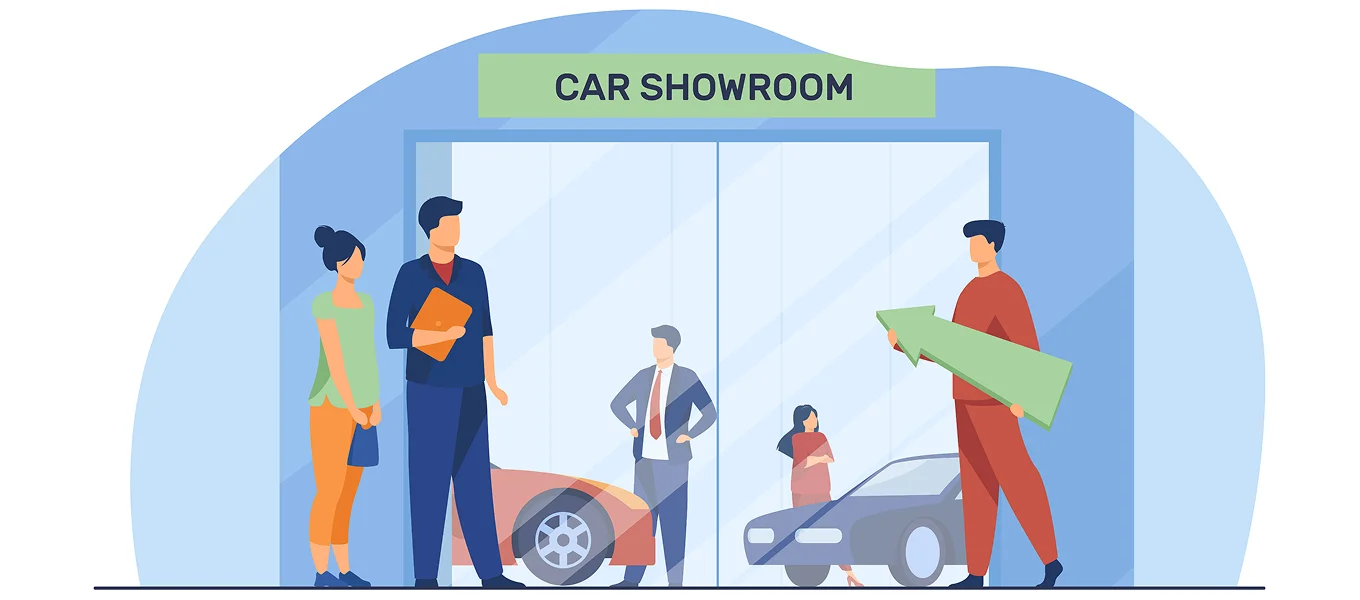
Conquest nearby dealerships and service centers with trade-in and financing messages.

The events organizations plan and manage all types of events.

Reach high-value prospects visiting other firms and offices.

The compare targeting accuracy, reporting transparency, campaign management, and audience reach to find the best fit for your business.
Weak provider: Uses broad radius targeting around addresses or ZIP codes.
Better provider: Builds tighter custom fences around real-world business.
GetGeofencing.com: Uses precision-first targeting designed around buildings, venues, lots, campuses, competitor locations, and custom campaign goals.
Weak provider: Asks for a budget and launches with minimal strategy.
Better provider: Reviews goals and recommends tactics.
GetGeofencing.com: Reviews target locations, audience intent, campaign objective, ad format, creative needs, retargeting options, tracking before launch.
Weak provider: Requires the client to provide all ads.
Better provider: Gives limited design support.
GetGeofencing.com: Includes ad design support so campaigns can launch with professional display creative.
Weak provider: Sends vague impression and click reports.
Better provider: Provides campaign metrics.
GetGeofencing.com: Provides dashboard access, weekly reports, delivery insights, CTR, clicks, actions, and available conversion-zone tracking.
Weak provider: Sets the campaign live and waits for the budget to spend.
Better provider: Reviews pacing and creative.
GetGeofencing.com: Reviews delivery, creative performance, location performance, and campaign pacing throughout the flight.
Weak provider: Locks clients into long contracts or unclear fees.
Better provider: Offers campaign-based pricing.
GetGeofencing.com: Offers month-to-month campaigns with clear impression-based pricing and practical launch minimums.
Well-executed geofencing campaigns can increase brand awareness, engagement, qualified leads, and customer visits.
From competitor targeting to event and retargeting campaigns, geofencing helps businesses reach high-intent audiences with precision.
Ask about targeting accuracy, reporting capabilities, campaign management, and proven results before making a decision.
The answer matters. A radius can include unrelated traffic. A tighter polygon fence can help focus spend on people who were actually near the intended location.
Ask whether the company can run display, mobile, desktop, video, retargeting, OTT, or CTV. More formats give you more ways to reach the same audience.
Do not accept vague claims. Ask what the reporting dashboard shows and how often reports are delivered.
Ask whether the company offers conversion-zone tracking or foot traffic attribution. Also ask what the methodology is and what limitations apply.
Launch timing depends on targeting, creative, tracking setup, and approval. A simple campaign can launch quickly once creative and targeting are approved. More complex campaigns may take longer.
Creative matters. Even perfect targeting will underperform if the ad looks weak or the offer is unclear.
Ask whether pricing is based on impressions, campaign flight length, ad format, setup, and management.
A campaign should not be ignored after launch. Ask how the company reviews performance and what changes can be made mid-flight.
Discover our full range of geofencing and digital advertising services designed to help you reach targeted audiences, increase engagement, and drive measurable marketing results.
Addressable geofencing targets specific households using precise location data.
Event marketing promotes brands by targeting audiences before during and after events.
Political geofencing targets voters with ads based on specific locations and events.
Digital TV advertising delivers targeted video ads on connected streaming platforms
Explore our Geofencing Advertising solutions to drive more local traffic, leads, and measurable campaign results.
GetGeofencing helps businesses reach the right audience, improve engagement, and generate measurable marketing results.
Pricing varies based on targeting, audience size, ad spend, campaign scope, and reporting requirements.
A larger multi-location campaign may need more impressions to reach enough people across all target areas.
Location-based advertising that targets people who visit specific places, then keeps your brand in front of them across apps and sites.
Geofencing marketing companies help businesses advertise to people based on real-world location behavior. They create virtual boundaries around physical places, build audiences from devices seen in those areas, and deliver ads across digital channels such as mobile apps, websites, display networks, video, and sometimes connected TV.
Choose a geofencing marketing company that can explain its targeting method, show reporting examples, support the ad formats you need, help with creative, and provide a clear plan for measuring performance. Avoid providers that rely only on broad radius targeting or cannot explain how results will be tracked.
Accuracy depends on the location data, targeting method, fence placement, and campaign setup. Tighter polygon fences are usually better than broad radius targeting because they reduce wasted impressions around unrelated nearby areas.
Yes. Competitor geofencing can target people who visit competing businesses and then show them ads after they leave. This works best when the campaign has a strong offer, clear differentiator, and good landing page.
Yes. Event geofencing can target people attending conferences, trade shows, sporting events, concerts, festivals, job fairs, and other time-sensitive locations. The campaign can be built around the venue and active event window.
In some campaigns, yes. Conversion-zone tracking or foot traffic attribution can help measure whether people exposed to ads later visit a physical location. Availability depends on the campaign type, platform, location data, and measurement setup.
Geofencing marketing is usually priced based on impressions, ad format, campaign length, number of locations, and targeting complexity. Display campaigns are typically less expensive than video or connected TV. The best way to price a campaign is to review the target locations, audience size, and goal.
No. Most geofencing advertising campaigns do not require the advertiser to have an app. Ads can be delivered through programmatic inventory across mobile apps, websites, display placements, video, and other digital channels.
Geofencing ads can appear across mobile apps, mobile web, desktop websites, display networks, online video, retargeting placements, and sometimes OTT or connected TV depending on the campaign.
Launch timing depends on the number of target locations, creative approval, tracking setup, and campaign complexity. Once targeting and creative are approved, many campaigns can launch quickly.
Yes, geofencing can work for small businesses when the campaign targets high-intent locations and uses a realistic budget. It is especially useful for businesses that serve a specific local market or want to reach people visiting competitor locations.
GetGeofencing.com specializes in location-based advertising, includes creative support, provides dashboard access, sends weekly reports, and focuses on precise targeting around real-world locations instead of broad generic targeting.
If you are researching geofencing marketing companies, do not just ask who can run ads.
Ask who can build the right fences, reach the right audience, provide clear reporting, and help you understand what happened after launch.
GetGeofencing.com helps businesses use precision geofencing, retargeting, display, video, OTT/CTV, and conversion-zone tracking to reach people based on where they go in the real world.